Are Bond Markets Whispering What Equity Markets Are Ignoring?
Oct 10, 2025

When most Kiwis think about their investments, whether it’s an aggressive, growth, balanced, or moderate portfolio, the conversation usually revolves around share markets, including AI, Space & tech, or interest rate cuts by central banks. Bonds are often written off as the “boring” corner of finance—something you only pay attention to when you're getting closer to retirement, and even then they aren't well understood.
However, beneath the surface of global capital markets, international sovereign and corporate bonds are signaling a structural shift that every investor needs to understand.
The End of a 40-Year Mega-Trend?
Since 1981, global investors have enjoyed a roughly 40-year bull run in bond prices as interest rates fell from peak levels of nearly 16% down to rock-bottom rates following stimulatory post-COVID government policies.
When interest rates fall, bond prices rise. That long-term trend gave balanced and moderate portfolios a steady tailwind for decades. But over the past few years, yields on 10-year sovereign bonds have surged back up to levels not seen since the early 2000s - this includes the US, Australia, the UK, Japan, Germany , and New Zealand among others.
While many mainstream commentary channels frame this as a temporary or cyclical spike, there is a compelling case that we are witnessing a deeper structural change:
Ballooning Sovereign Debt: US government debt recently surged past $40 trillion. When governments print and borrow heavily, the sheer supply of new debt forces yields higher as buyers demand higher compensation for taking on that risk. Government debt ballooned in an environment of declining interest rates - while the total lending increased, the cost of that lending didn't increase at the same rate.
De-Dollarisation & Geopolitical Shifts: Following the freezing of Russian foreign reserves in 2022, several global central banks began diversifying out of US dollar debt and quietly ramped up their purchases of physical gold.
The Inflation vs. Debt Dilemma: As public statements from political leaders increasingly hint (see Trump's recent comments), inflating away debt is often the path of least political resistance when repayment through taxation isn't feasible (or popular). Go back to Great Britain and World War 1 and you'll see the blueprint for this.
The AI Debt Boom & Corporate Credit Risk
But the problem is broader than that. Governments aren't the only ones crowding the bond markets for fresh cash. The massive buildout of AI data centers and other infrastructure has led major tech hyperscalers to issue unprecedented volumes of corporate debt.
Up until 2026, bonds issued by high-tech giants were priced at a premium for perceived safety—investors viewed them as almost risk-free, certainly much lower risk compared to the average non-AI company. In 2026, that relationship flipped with AI being viewed as higher than average risk.
As these corporations compete directly with sovereign governments for global liquidity, bond yields on AI-related corporate debt have risen. The credit markets are beginning to ask hard questions: Will the cash flows generated by AI infrastructure justify the massive debt load required to build it?
Historically, trouble shows up in the bond market long before it reflects in share prices.
Why Does This Matter for KiwiSaver & Portfolio Design?
Even if you don't trade individual bonds directly, if you are in any conservative, moderate, balanced or growth fund or portfolio, whether within KiwiSaver, a private Superannuation account, a managed fund, or other investment portfolio, you almost certainly have exposure to fixed interest.
In bond investing, duration matters a lot. Duration is the average length of time until the bonds held in a fund or portfolio mature. Sounds boring, but it importantly acts like a seesaw.
A short-duration bond or fund investing into this area is like a short wooden plank. Wobbling it slightly doesn't move the ends very much - i.e. if interest rates (or expectations) change, it doesn't affect price a great deal.
A long-duration bond or fund investing into this area (like 10, 20, or 30-year debt) is like a very long plank. Even a small shift in interest rates causes huge swings in the capital value of that bond.
If interest rates stay higher for longer or continue to trend upward due to more debt issuance, continued concern over government or other global debts, high levels of inflation, or other factors, holding long-duration fixed interest can subject your capital to substantial negative drag.
How We Are Navigating This at Radical Investment
At Radical Investment, being open-minded and transparent means acknowledging these macro headwinds rather than sweeping them under the carpet.
Dumping fixed income entirely isn't the solution—bonds still play an important role for cash flow and lower-volatility capital preservation for those investors that need it. However, we believe smart portfolio management requires being intentional:
Managing Duration Risk: Shortening the duration of fixed interest holdings so portfolios aren't overly exposed to rate volatility. Yep, that means potentially missing out on some capital gain if interest rates stabilise or fall, but we also toss out much of the volatility risk too.
Real-Asset Offsets: Considering allocations to scarce assets outside the traditional fiat banking system—such as Gold, Silver, and Bitcoin—which historically act as hedges against long-term currency debasement. If multiple significant Central Banks around the globe have been doing it, why can't you as an individual investor?
Structure & Tax Optimization: Utilizing flexible structures like KiwiWRAP KiwiSaver Scheme, I-Select Superannuation Scheme & Consilium WRAP, we give clients direct oversight and tailored control over their underlying assets rather than relying on standard off-the-shelf funds that may be forced to hold long-duration debt or other assets, and typically provide little ability to have influence on many (or any) elements of asset allocation.
Ready to Review Your Portfolio?
Whether you are looking to stress-test your current KiwiSaver strategy, refine your overall Wealth Plan, or explore alternative asset allocations, we are always open to a conversation. Get in touch with the team today for a free enquiry meeting.
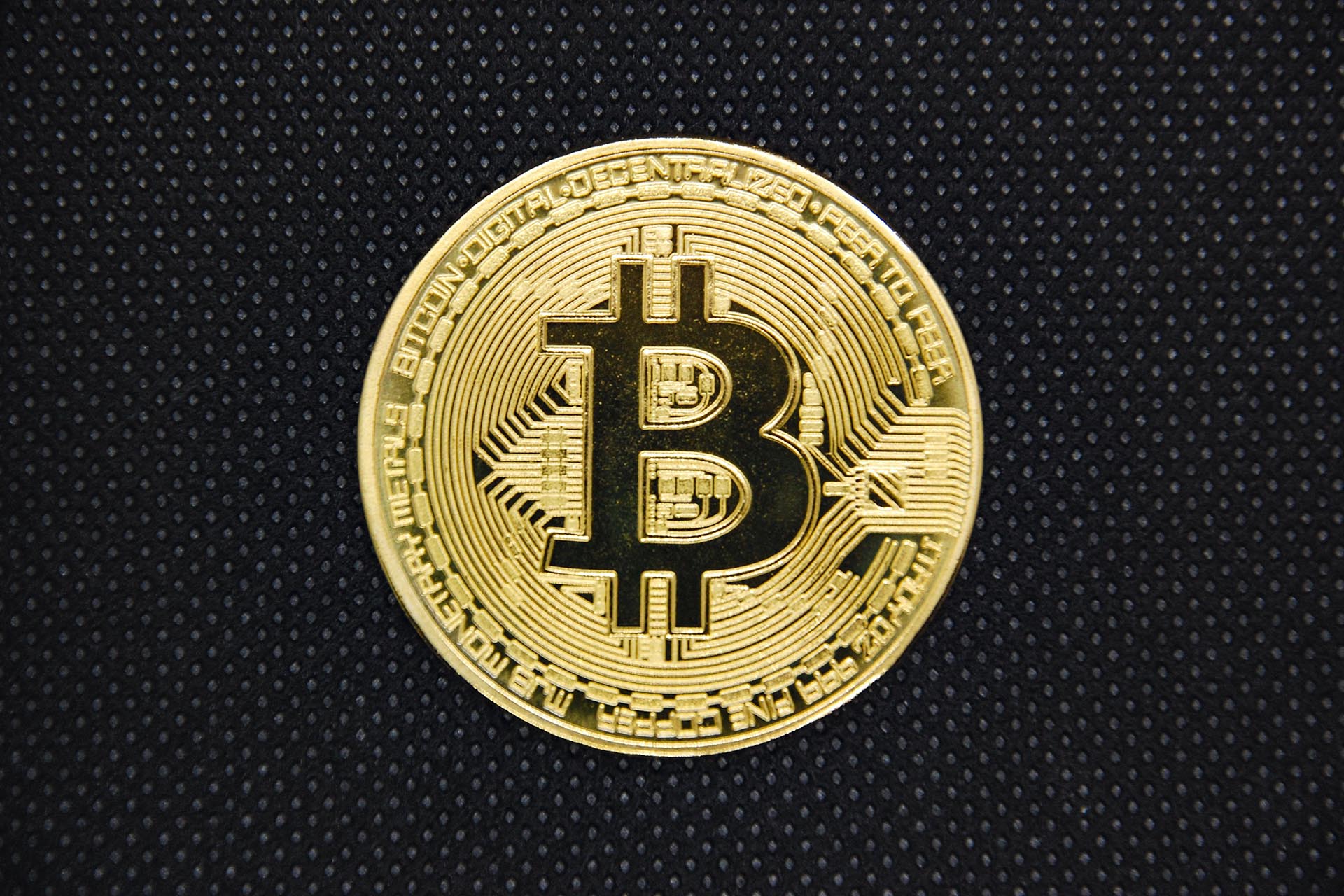
Since early 2024, demand for Bitcoin exposure via reliable, regulated investments has exploded. This has come in the form of spot ETFs, Bitcoin Treasury Companies, Bitcoin Mining Companies and other companies holding Bitcoin on their Balance Sheet. As demand has evolved globally, even more Bitcoin-themed investment options have become available for KiwiWRAP KiwiSaver Scheme members.

With escalating concerns about the US dollar and general currency debasement, we are observing an increasing demand for exposure to assets like gold & silver (along with Bitcoin) as hedges. Inflation resulting in cost-of-living concerns, geopolitical risks, and the reclassification of gold as a ‘tier 1’ reserve asset for central banks (next to Treasuries), has led to significant price appreciation for these alternative forms of money in recent years.
